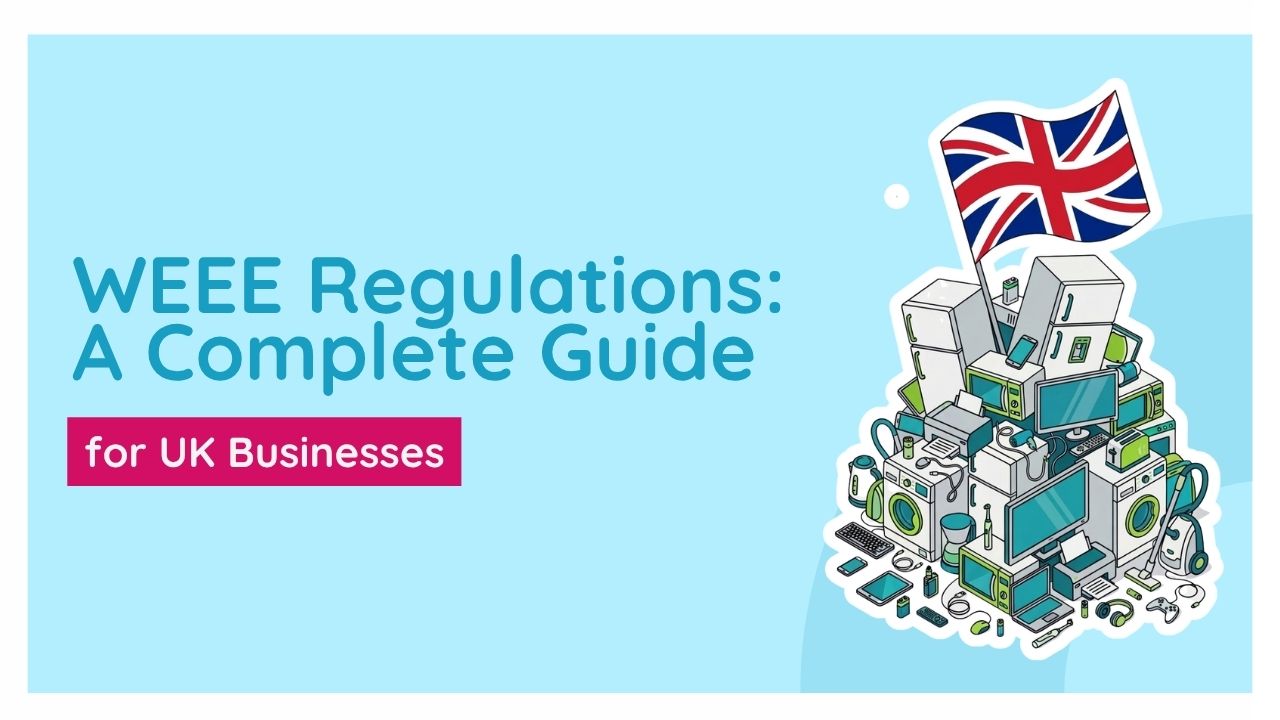
WEEE Regulations: A Complete Guide for UK Businesses
Many UK businesses sell or use electrical equipment every day. And yet, only a few understand how to dispose of it properly.
That's why understanding WEEE regulations is so important. Even more so if you're a facility manager or the head of operations. These rules affect how you handle, store, and recycle electrical waste.
If you ignore these WEEE waste rules, you risk incurring fines. It may even disrupt your business operations.
This guide explains what WEEE means for businesses and why it exists. You'll also learn how businesses like yours can stay compliant.
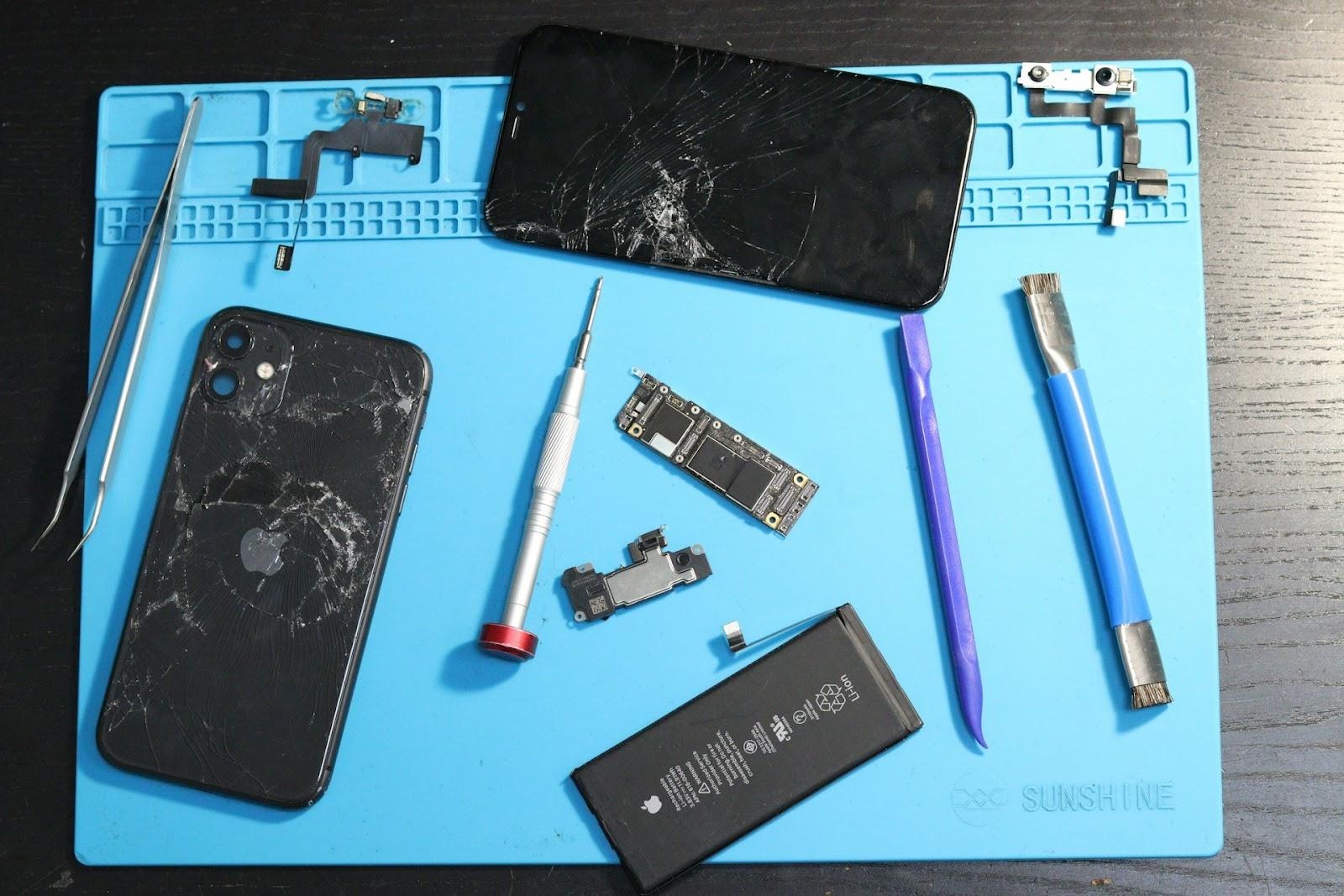
WEEE stands for Waste Electrical and Electronic Equipment. Its regulations set the rules on how electrical products are made, sold, used, and disposed of. Their main aim is to reduce landfill waste, improve recycling rates, and protect the environment.
As a business operator, you're required to think about what happens to equipment at the end of its life.
The Waste Electrical and Electronic Equipment Regulations 2013 apply to the full lifecycle of electrical products. They cover design, labelling, collection, treatment, and recycling. This helps recover valuable materials and limits harmful substances entering the environment.
WEEE regulations in the UK are a legal requirement. If your business uses or supplies electrical equipment, you must follow them.
That might sound complex at first. But in practice, complying with WEEE waste rules is manageable. It's a straightforward process, especially if you work with the right business WEEE recycling partner.
Who must comply with WEEE regulations depends on how your business interacts with electrical equipment. The rules apply differently based on whether you place products on the market, sell them, or simply use them.
This refers to producers of electrical and electronic equipment under WEEE rules. If your business manufactures or imports electrical equipment like household appliances, you'll need to comply with WEEE regulations.
Producers carry the widest responsibilities. These include registration, reporting, and financing the proper treatment of electronic waste.
Distributors and retailers are businesses that sell electrical equipment to end users. This includes stores and online sellers. Their duties focus on take-back service arrangements and ensuring customers can dispose of their old equipment correctly.
Business users are companies that use electrical equipment as part of their daily operations. Even if you do not sell equipment, you must dispose of WEEE through proper channels.
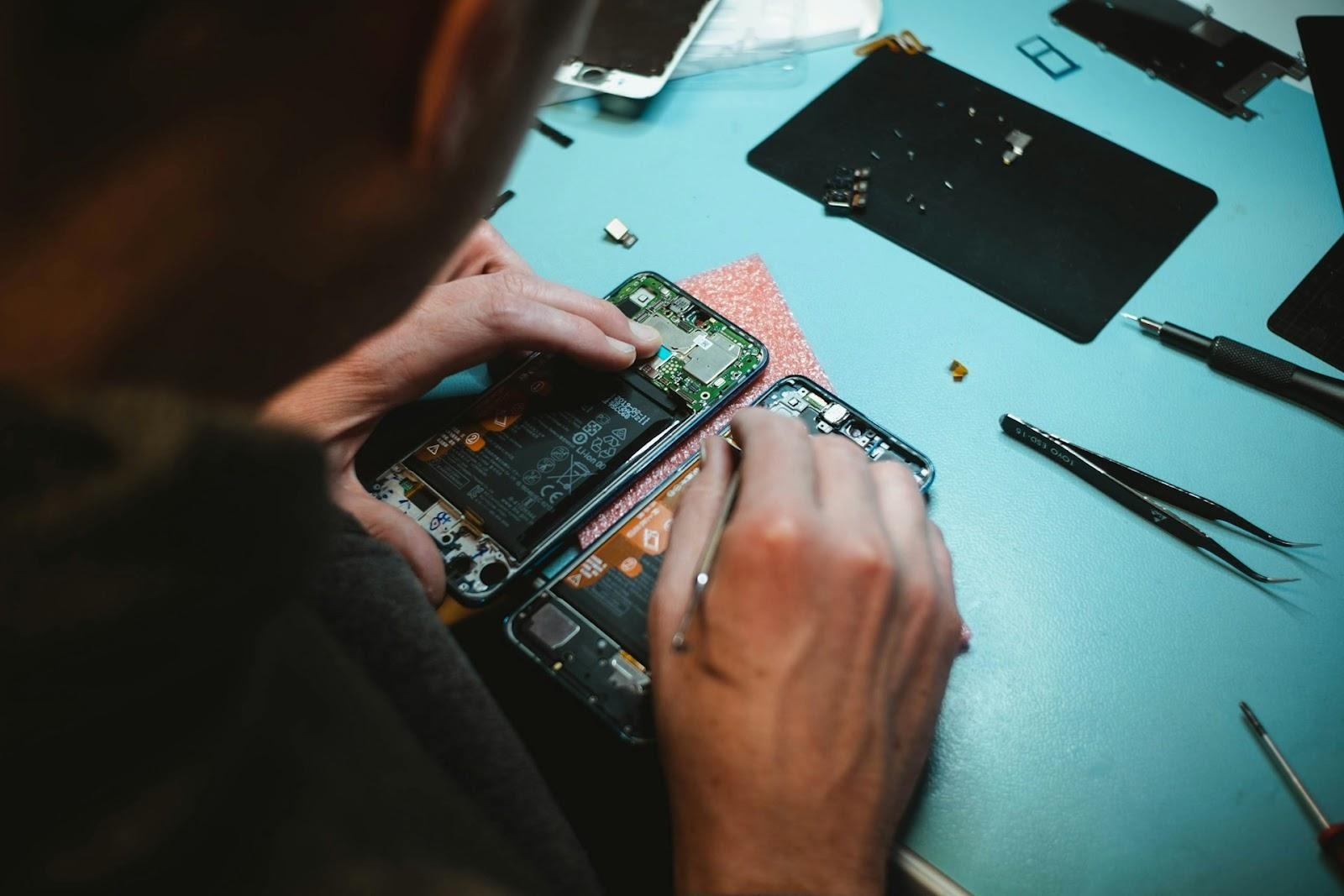
In simple terms, WEEE waste refers to any discarded electrical or electronic equipment. If an item needs electricity, batteries, or a plug to work, it is likely covered. This applies whether the equipment is broken or obsolete.
The definition is broad because the regulations aim to capture most electrical products used in commercial settings.
Even small electronic products fall under WEEE rules. You should also treat components, accessories, and attachments as WEEE waste when disposing of them.
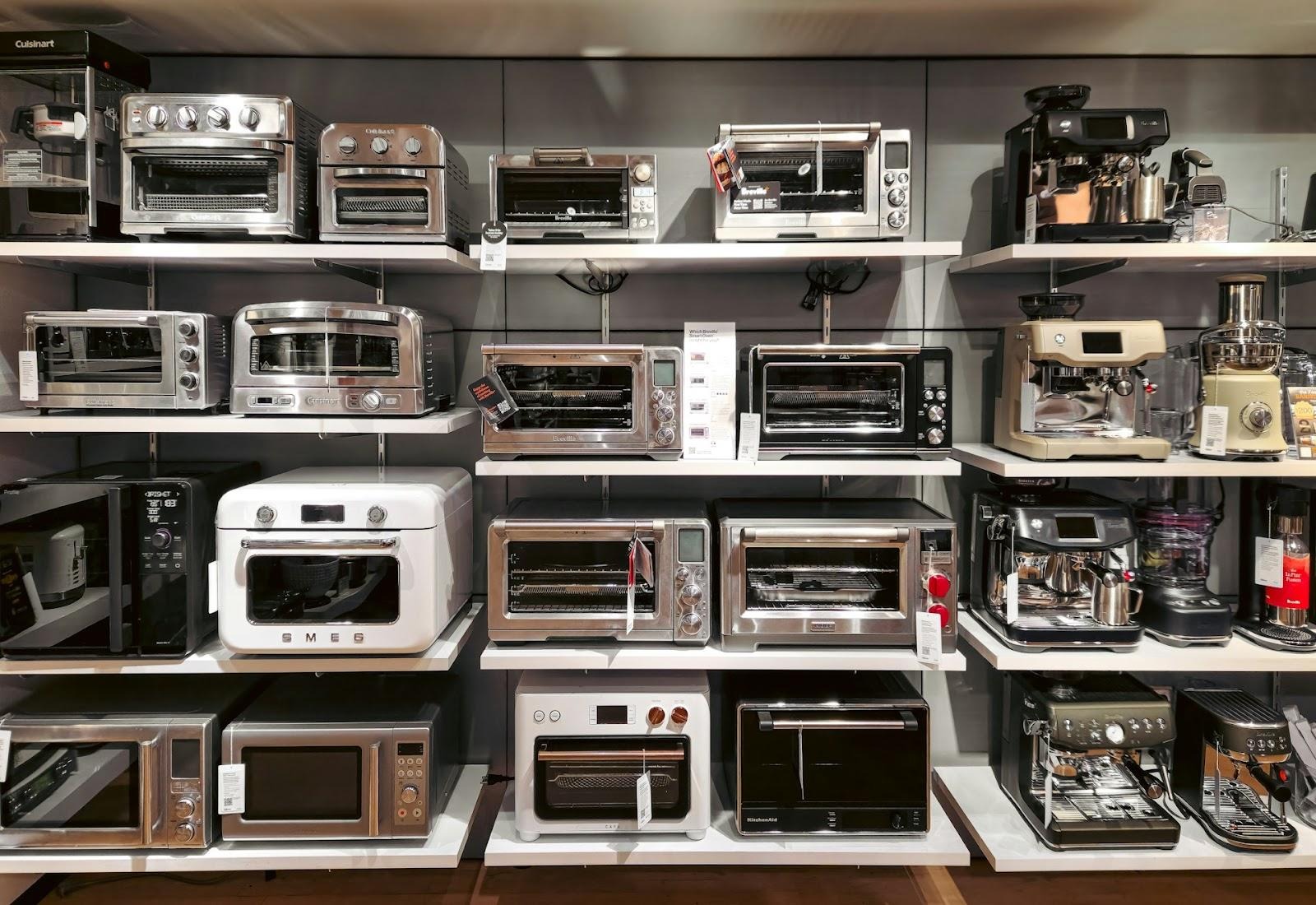
Common examples of WEEE waste include the following.
If you do not comply with WEEE rules, regulators could take action. Regulators take non-compliance seriously because improper disposal has an environmental impact.
Non-compliance exposes your business to several risks.
Staying compliant shows everyone that your business takes environmental responsibility seriously.
In the UK, WEEE enforcement is a shared responsibility across several agencies. Understanding who is responsible for WEEE enforcement helps you see how compliance is monitored.
Enforcement is a shared responsibility between national and regional agencies. Their roles depend on location and on how a business interacts with electrical equipment.
Your obligations depend on whether you produce, sell, or simply use electrical equipment. Here are a few steps you can take to make sure you meet your WEEE obligations.
WEEE recycling usually starts with collection from your site. Licensed recycling providers collect unwanted electrical equipment from offices, warehouses, or other business locations.
Providers use approved transport methods to move WEEE to treatment facilities. These sites are equipped to manage electrical waste correctly.
Once received, the equipment goes through depollution and dismantling. Hazardous components are removed first. Useful materials are then separated for recycling.
Compliant recycling ensures substances like batteries, oils, and chemicals are handled safely. It also creates an audit trail.
You'll receive documentation like waste transfer notes or recycling certificates. These records confirm that WEEE was handled correctly.
Yes. Small businesses must comply with WEEE regulations if they supply, use, or dispose of electrical equipment.
Household WEEE comes from private homes. Non-household WEEE comes from businesses and commercial settings.
No. Businesses must not dispose of WEEE in general waste and should use compliant recycling routes.
WEEE should be collected as needed based on storage limits and risk assessments, or via scheduled collections to avoid breaches.. It depends on storage capacity, risk, and how often your equipment becomes waste.
Businesses should keep records of the electrical equipment they supply and how it is disposed of.
Learn how GAP Group can support your WEEE compliance with fully compliant collection and recycling services.
Book a free review with our team. We'll look at how your organisation disposes of electricals today and show you exactly where your documentation falls short.