Nationwide Collection, Processing and Compliance

Battery Recycling

Battery Recycling That's Safe, Compliant, and Fully Traceable


Request Quote
Speak to an Expert
Trusted by:

Nationwide Battery Recycling with Full Compliance

we provide specialist collection containers, ADR-compliant transport, licensed treatment, and complete compliance documentation — protecting your business from fire risk and regulatory penalties.
Nationwide
Fully Compliant
ESG-ready data
The Challenges

The challenges with used batteries

Batteries present a significant fire and environmental risk when stored or disposed of incorrectly.

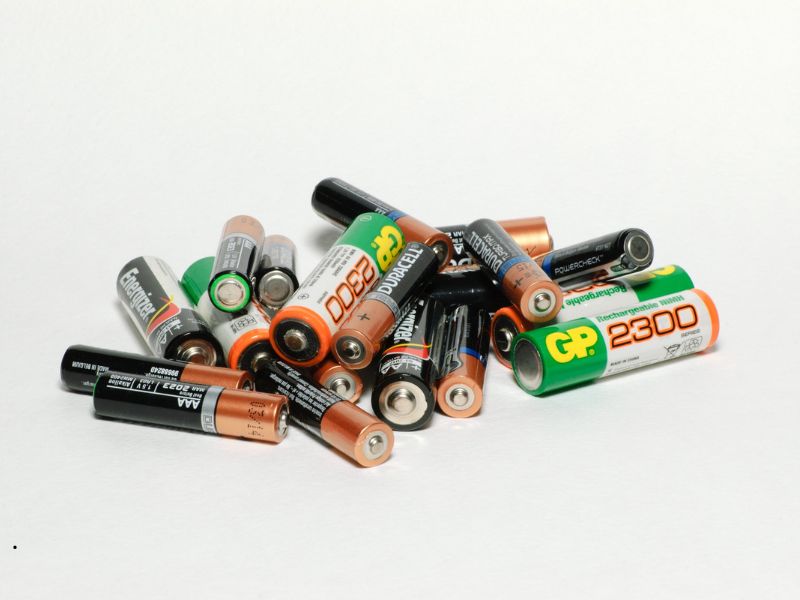
Fire risk from lithium battery damage
Non-compliant battery disposal
Mixed waste contamination
Lack of safe on-site segregation
No audit trail or reporting
Multiple suppliers across regions

Receive FREE Advice on battery recycling

Speak to an Expert
The Solution

What GAP's Battery Recycling Service Does

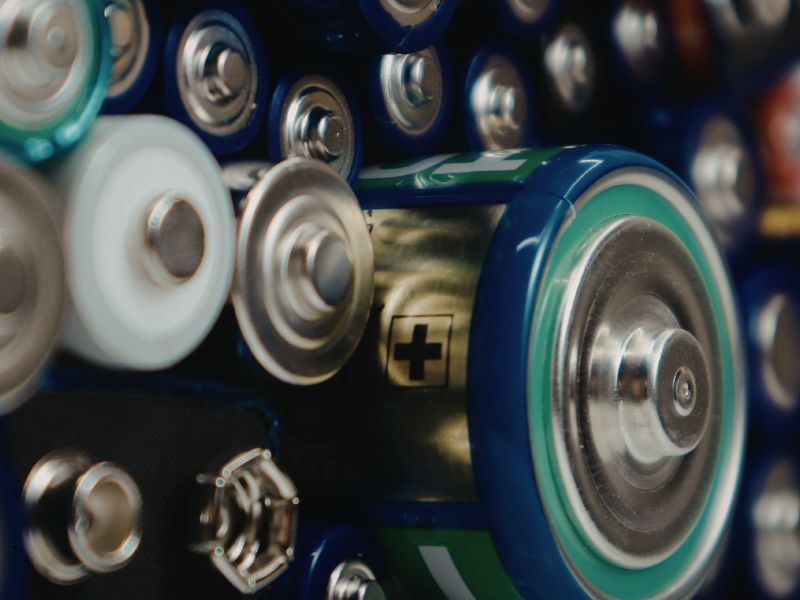
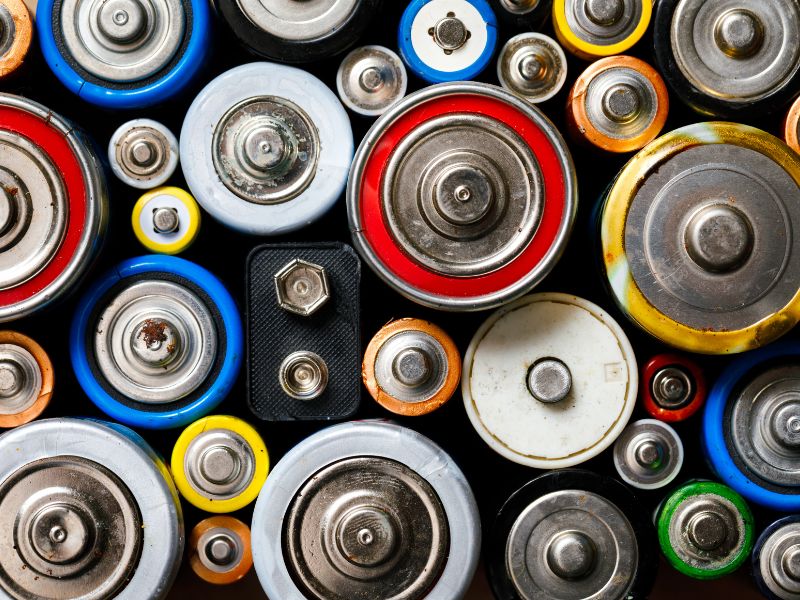
We handle the full end-to-end process for all battery chemistries — lithium-ion, lead-acid, alkaline, nickel-cadmium, button cells, and large-format EV batteries. You get specialist collection containers, ADR-compliant transport, licensed treatment, and full documentation under one roof.
“I love how simple it is to recycle Insulation Panels with GAP Group”
Kelly Brimbore, Newcastle

How It Works

Battery Containers Supplied

We deliver the right battery collection containers to your sites — countertop, undercounter, or floor-standing — matched to your volume and operational setup.

ADR-Compliant Collection

Once your containers are ready, we collect nationwide using ADR-compliant transport to prevent fire or explosion hazards. Our own haulage fleet and partners operates to dangerous goods regulations, with trained drivers and specialist vehicles.

Sorting & Segregation

At our licensed facility, batteries are sorted by chemistry — lithium-ion, lead-acid, alkaline, NiCd, button cells — as different chemistries require different treatment routes.

Licensed Treatment

Batteries are processed at a hazardous waste licensed treatment facilities. Lithium-ion batteries are depolluted and dismantled safely. Lead-acid batteries are drained and broken down for material recovery. All processes meet hazardous waste and ADR regulatory standards.

Material Recovery & Recycling

Recovered materials — lithium, cobalt, lead, nickel, plastics, and metals — are sent to approved downstream recyclers for reuse in new products. Nothing goes to landfill or incineration.

Documentation & Reporting

Every collection is fully documented. You receive duty of care paperwork, hazardous waste consignment notes, ADR transport documentation, weight data, and ESG-ready reports covering recycling rates and carbon impact.

Our Battery Containers / Bins

Battery Tub
£4.85 - £14.99
Container fee
Nationwide Delivery & Collection
Countertop
5L & 10L
Get Started
* Collection Charges Vary
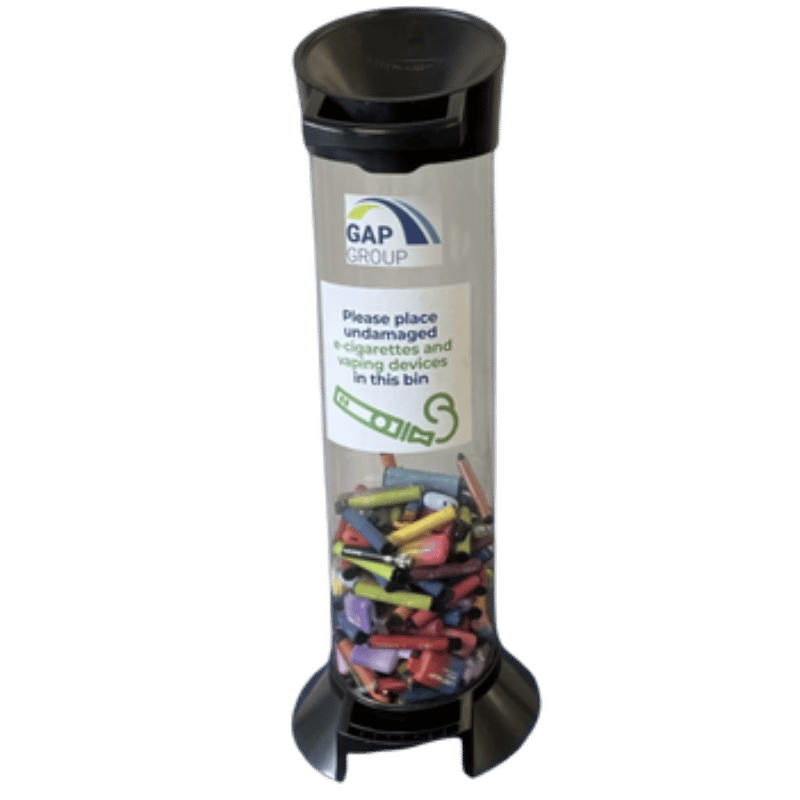
Battery Tube
£59.50
Container fee
Nationwide Delivery & Collection
Floor Standing
20L
Get Started
* Collection Charges Vary
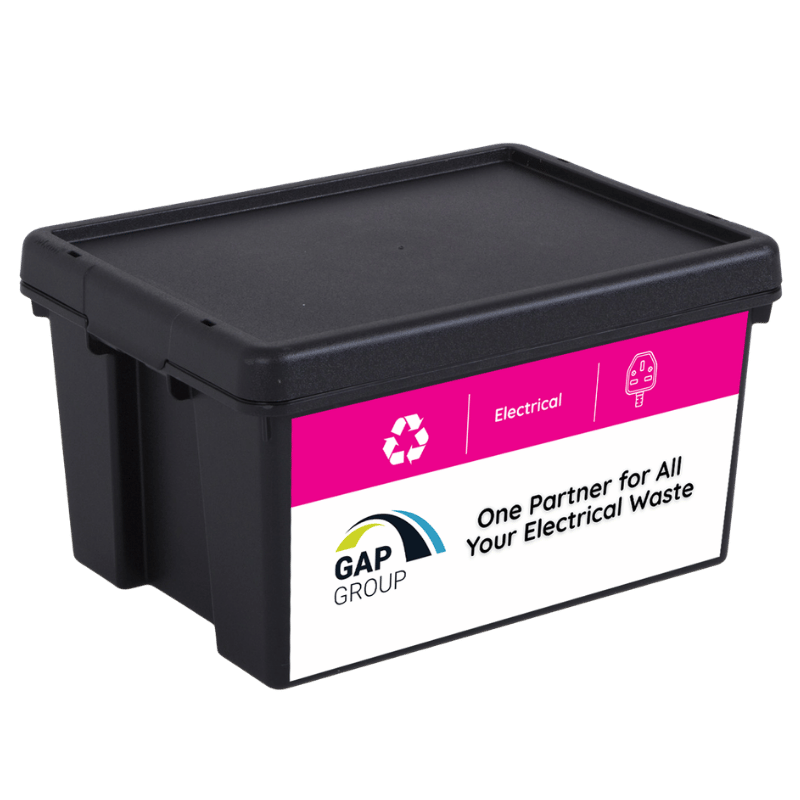
Battery Box
£30
Container fee
Nationwide Collection
Under-counter
16L
Get Started
* Collection Charges Vary
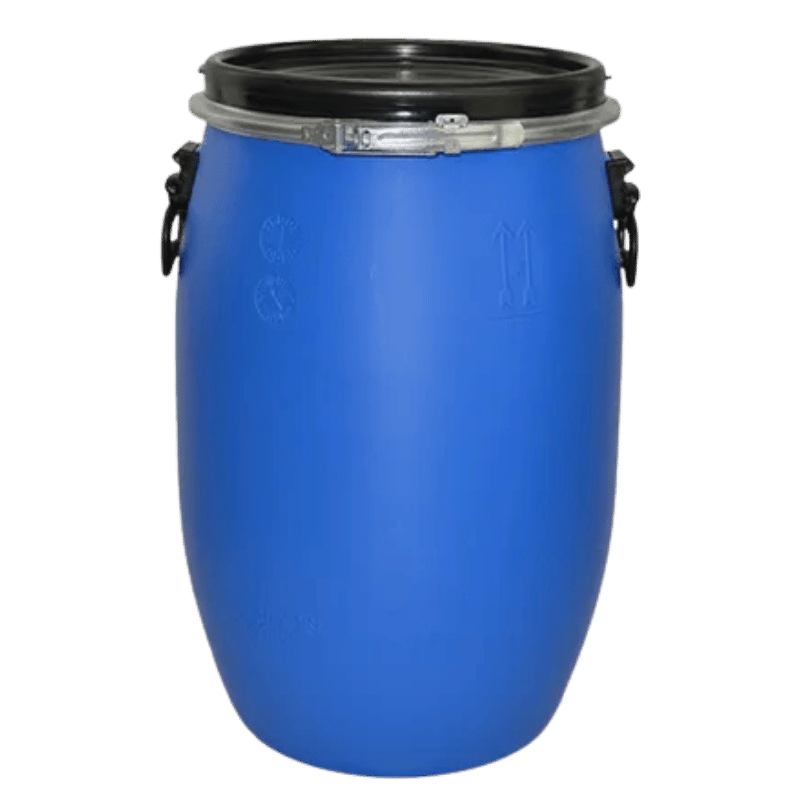
Battery Barrels
£30-£75
Container fee
Nationwide Collection
Under-counter
30L, 60L, 120L
Get Started
* Collection Charges Vary
Best Value

What We Accept In Our Battery Containers

Items we accept in our battery containers

Lithium Batteries
Lithium-Ion Batteries
Lead-Acid Batteries
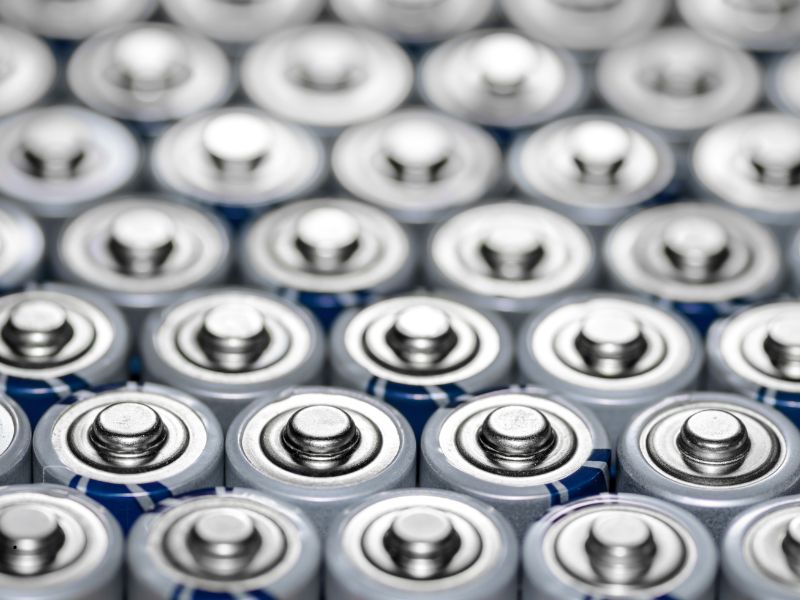
Alkaline Batteries (AA, AAA, etc)
Nickel-Cadmium (NiCd) Batteries
Button Cell Batteries
EV and Large-Format Batteries

Items we don't accept in our battery containers.

Swollen, damaged or burnt batteries

Why contractors and facilities teams choose us

Nationwide coverage
One contract covers all your UK sites. Consistent service, single point of contact, unified documentation regardless of how many locations you operate.
Containers included
Most recyclers just collect. We provide battery containers designed for safe interim storage of lithium-ion and other hazardous batteries on your premises. Your compliance and safety start before the first collection.
Licensed hazardous waste treatment
We operate under Environmental Permits and hazardous waste licences. All battery chemistries are treated at licensed facilities that meet UK and ADR regulatory standards.
Retailer take-back ready
Retailers selling more than 32 kg of batteries a year must provide collection facilities. Our containers and collections satisfy your take-back obligations with the documentation to prove it.
ADR-compliant transport
ADR regulations ensure lithium-ion batteries are transported safely to prevent fire or explosion hazards. Our drivers are ADR-trained and our vehicles meet dangerous goods transport requirements. You're protected from the moment batteries leave your site.
This service helps

Compliance & Trust

Our battery recycling process aligns with:
Battery Regulations
Waste Duty of Care
Fire safety and lithium handling guidance
This service helps

Commercial & ESG Benefits

Our process aligns with:
Reduced fire and insurance risk
Improved regulatory compliance
Lower carbon impact
Simplified supplier management
Clear ESG reporting

Take-back schemes and additional options

We also support manufacturer and supplier take-back schemes, helping close the loop on batteries where applicable.

Get Started with GAP Group

Make battery recycling safe, compliant, and commercially smart.
FAQs

Frequently asked questions

Why are batteries classified as hazardous waste?
Batteries contain hazardous chemicals including lithium, lead, mercury, cadmium, and sulphuric acid. If disposed of in general waste or landfill, these chemicals can leach into soil and groundwater, causing environmental contamination. Lithium-ion batteries also pose a significant fire and explosion risk when crushed or damaged.
Why is lithium-ion battery recycling considered high-risk?
Lithium-ion batteries store large amounts of energy and are sensitive to heat, damage, and short circuits. When crushed, penetrated, or improperly stored, they can ignite and cause fires. Nearly half of all waste fires in the UK are caused by lithium batteries disposed of incorrectly.
Are retailers legally required to provide battery take-back?
Yes. Under the Waste Batteries and Accumulators Regulations, retailers selling more than 32 kg of batteries per year must provide a free take-back facility for customers returning used batteries. GAP's container and collection service is designed to help retailers meet this obligation.
What types of battery collection containers does GAP provide?
We offer four options: countertop battery tubs (5L and 10L) for retail point-of-sale, undercounter battery boxes (16L) for space-restricted sites, undercounter battery barrels (30L, 60L, and 120L) for high-volume operations, and floor-standing bins for larger sites or HWRCs.
What does ADR-compliant transport mean?
ADR (Agreement on Dangerous Goods by Road) is the international regulation governing the safe transport of hazardous materials by road. Lithium-ion batteries are classified as dangerous goods, requiring trained drivers, specialist vehicles, and proper documentation. GAP's collections meet ADR requirements.
Do you collect from multiple sites?
Yes. We provide scheduled collections across all UK sites under a single service agreement. One contract, consistent service, and unified documentation regardless of how many locations you operate.
Can you handle one-off clearances as well as regular collections?
Both. We work with clients on one-off warehouse or facility clearances and on ongoing scheduled collections. Speak to our team about your volumes and requirements.
What documentation will I receive?
You'll receive duty of care paperwork, hazardous waste consignment notes, ADR transport documentation, weight tickets, and ESG reports showing recycling rates, material recovery volumes, and carbon impact. Everything you need for hazardous waste reporting obligations, internal audits, and ESG disclosures.
Do you work with waste brokers?
Yes. Waste brokers are a core part of our client base. We provide full downstream traceability and compliance documentation so you can fulfil your duty of care obligations to your own clients.
How quickly can collections be arranged?
Most collections are scheduled within 10 working days. For urgent clearances or high-volume requests, speak to our team about priority arrangements.
How is pricing structured?
Pricing depends on container type, battery chemistry mix, collection frequency, volumes, and location. Contact us for a tailored quote.
How do I get started?
Get in touch with our hazardous waste team. We'll assess your volumes, recommend the right containers for your sites, and set up an ADR-compliant collection schedule that keeps you safe and compliant from day one.