WEEE Regulations for Businesses in Wales: What You Must Do to Stay Compliant

Welsh businesses aren’t allowed to throw out electronic waste with regular waste. Doing so can cause compliance issues under Wales e-waste law.
WEEE stands for Waste Electrical and Electronic Equipment. Examples include items like computers and printers. There are regulations that explain how businesses are expected to handle WEEE. These regulations can also apply to sWEEE, which refers to small electronics such as mobile phones.
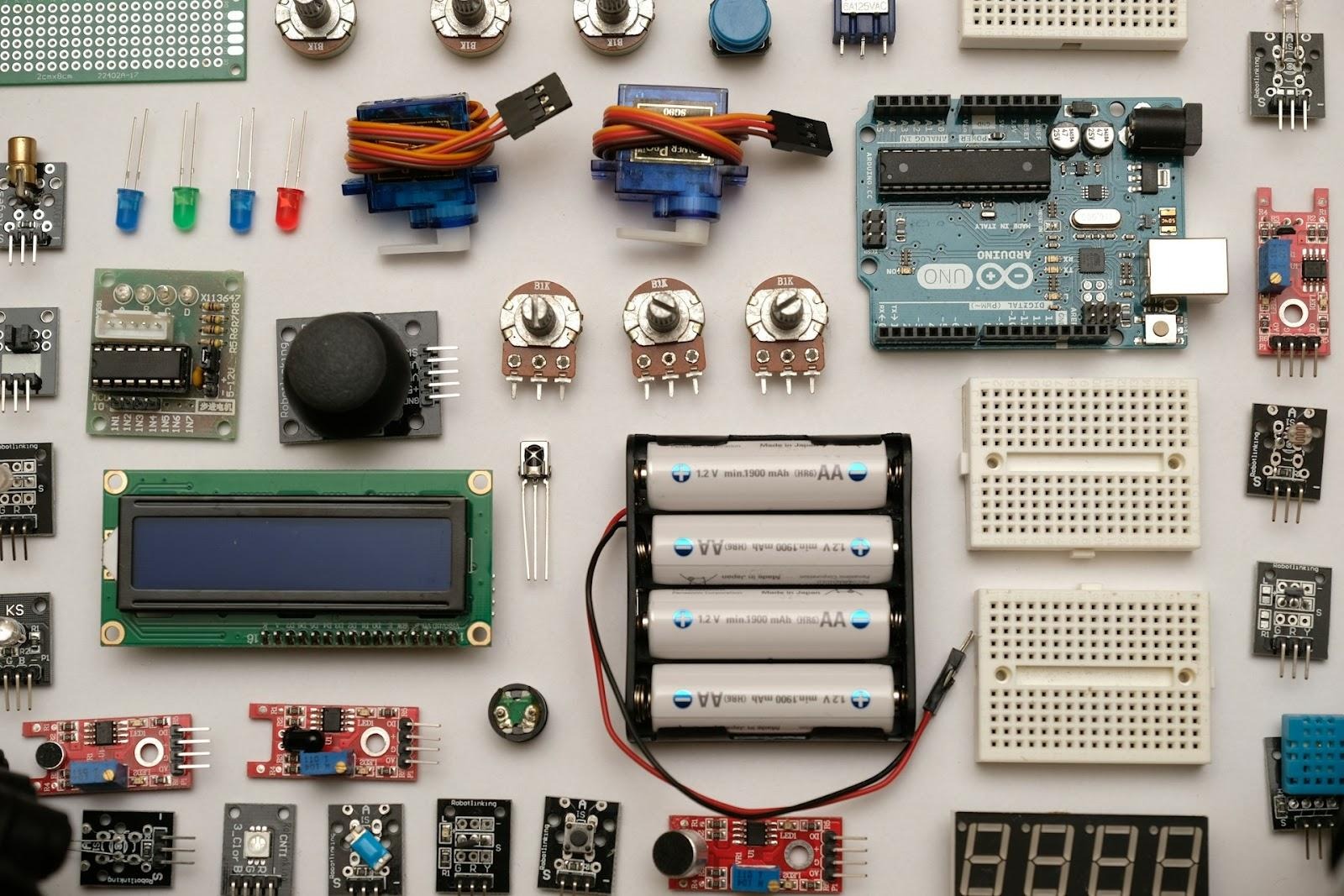
For businesses operating in Wales, these rules matter because electronic waste is regulated differently here. WEEE compliance in Wales helps protect the environment.
This guide explains WEEE regulations in simple terms. You’ll learn who enforces the rules, how WEEE recycling in Wales works, and what you can do to stay compliant.
Yes, Wales has specific enforcement requirements, though WEEE law is UK-wide. You can't mix electrical waste with general waste.
WEEE law is UK-wide, but Wales enforces stricter workplace separation via NRW (Natural Resources Wales), including mandatory sWEEE streams from April 2026. These items contain hazardous parts and valuable materials.
WEEE law itself is not different in Wales. The Waste Electrical and Electronic Equipment Regulations 2013 apply across the UK, including England and Wales.
What the Welsh government changed is the enforcement of the recycling regulations. It also created additional workplace recycling laws.
WEEE law is the same across the UK. However, it's run a bit differently in Wales.
Environmental rules in Wales are managed by Welsh authorities. They control how environmental laws are enforced.
Because of this, businesses in Wales deal with a different regulator. It also sets different expectations, even though the legal text is the same. This is why WEEE compliance can feel more hands-on in Wales compared to England.
Here are the key differences you need to know.
WEEE enforcement in Wales is split between two regulators.
Natural Resources Wales regulates how WEEE is handled at business sites in Wales. It focuses on waste storage, collection arrangements, and day-to-day waste management.
Compliance usually involves site inspections, reviews of waste contracts, and checks on how electrical waste is handled on location.
Businesses may be contacted to provide information, correct handling issues, or explain their WEEE arrangements.
The Office for Product Safety and Standards regulates producer responsibility under WEEE across the UK. It focuses on businesses that make, import, or sell electrical equipment.
It checks producer registration, compliance scheme membership, and reporting. Businesses are usually contacted if they fail to meet producer obligations.
For most Welsh businesses that only use electrical equipment, Natural Resources Wales is the main regulator. OPSS becomes relevant only if your business also acts as a producer under WEEE.
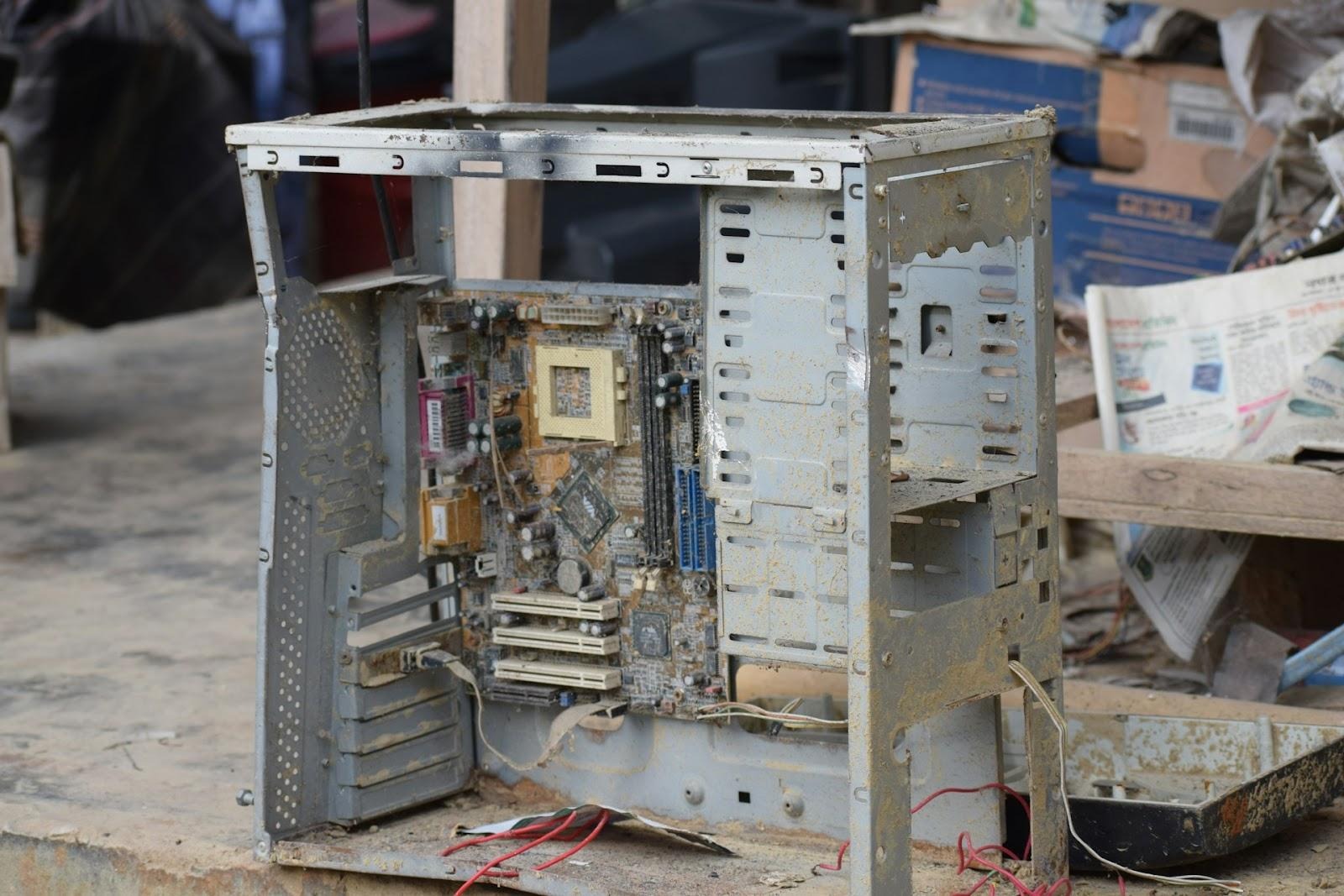
WEEE in Wales covers discarded electrical and electronic equipment used by businesses and organisations. The definition follows UK law, but how it is managed and enforced sits within WEEE recycling in Wales guidance and oversight.
WEEE includes electrical items that are thrown away at the end of their use.
sWEEE refers to small waste electrical and electronic equipment.
The recycling process follows a clear chain. WEEE is collected from your site through arranged waste collectors. Items are taken to authorised treatment facilities, where hazardous parts are removed. Materials such as metals and plastics are recovered for recycling.
Waste transfer notes and collection records show where equipment goes and how it is handled. This documentation helps explain how your business manages WEEE.

Here are some tips on managing WEEE correctly.
If you don’t handle WEEE properly, a regulator may contact you to ask questions or request records. You may be told to change how you dispose of electrical waste or stop using a non-compliant contractor.
Ongoing issues can disrupt operations, especially during inspections or audits.
WEEE includes any electrical or electronic equipment your business throws away. This includes computers, printers, lighting, and small office electronics.
WEEE handling and waste compliance are enforced by Natural Resources Wales. Producer obligations are overseen by the Office for Product Safety and Standards.
Yes, businesses need access to proper WEEE collection and recycling routes to make sure electrical waste is handled correctly.
WEEE should be collected whenever electrical waste builds up or during equipment replacements.
If you operate in Wales, GAP Group can support your WEEE compliance with fully compliant collections, recycling, and reporting.
Book a free review with our team. We'll look at how your organisation disposes of electricals today and show you exactly where your documentation falls short.