How to Recycle Disposable Vapes Safely and Legally in the UK
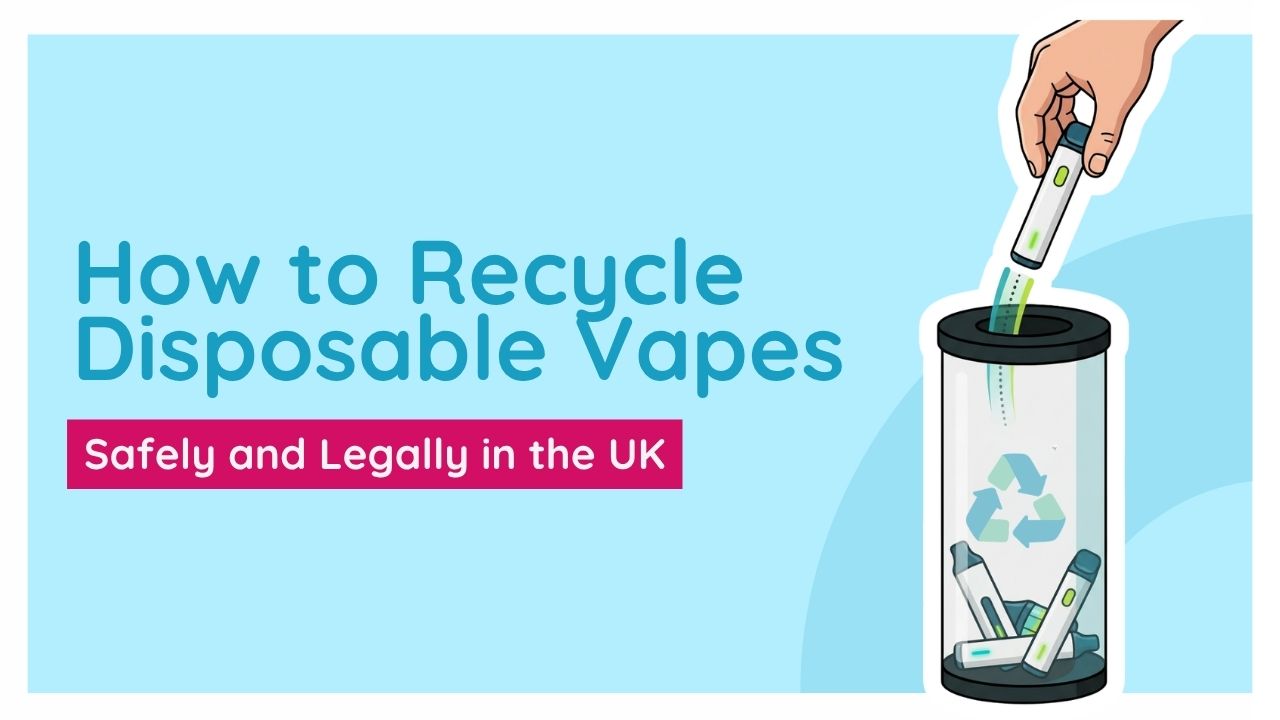
Disposable vapes can’t go with general waste according to WEEE rules. They contain lithium batteries and electronic components. Incorrect disposal of these parts can cause fire and other environmental risks.
This guide explains how to recycle disposable vapes. We’ll show you how to safely handle, store, and recycle your e-waste.

Disposable vapes contain lithium-ion batteries. These batteries pose a serious fire risk when they are crushed or compacted. Some waste trucks and recycling centres aren't designed to handle battery fires. Damaged vape products can cause accidents.
Disposable vapes are also classed as electrical waste. Under UK WEEE regulations, electrical and electronic equipment must be collected and treated through approved recycling points. General waste and landfill sites do not meet these requirements.
Sending disposable vapes to the landfill breaches your duty of care as a business operator. Once vapes become waste, you're responsible for making sure they are handled correctly.
Improper disposal can lead to enforcement action. This may include fines, failed audits, or reputational damage.
Disposable vapes are made up of different components that make them unsafe for normal waste and recycling streams.
This is why vape waste disposal requires special handling. Disposable vapes require specialist handling as WEEE due to hazardous components like lithium batteries. Don't throw them in the household bin. These must be processed in the right recycling facility.
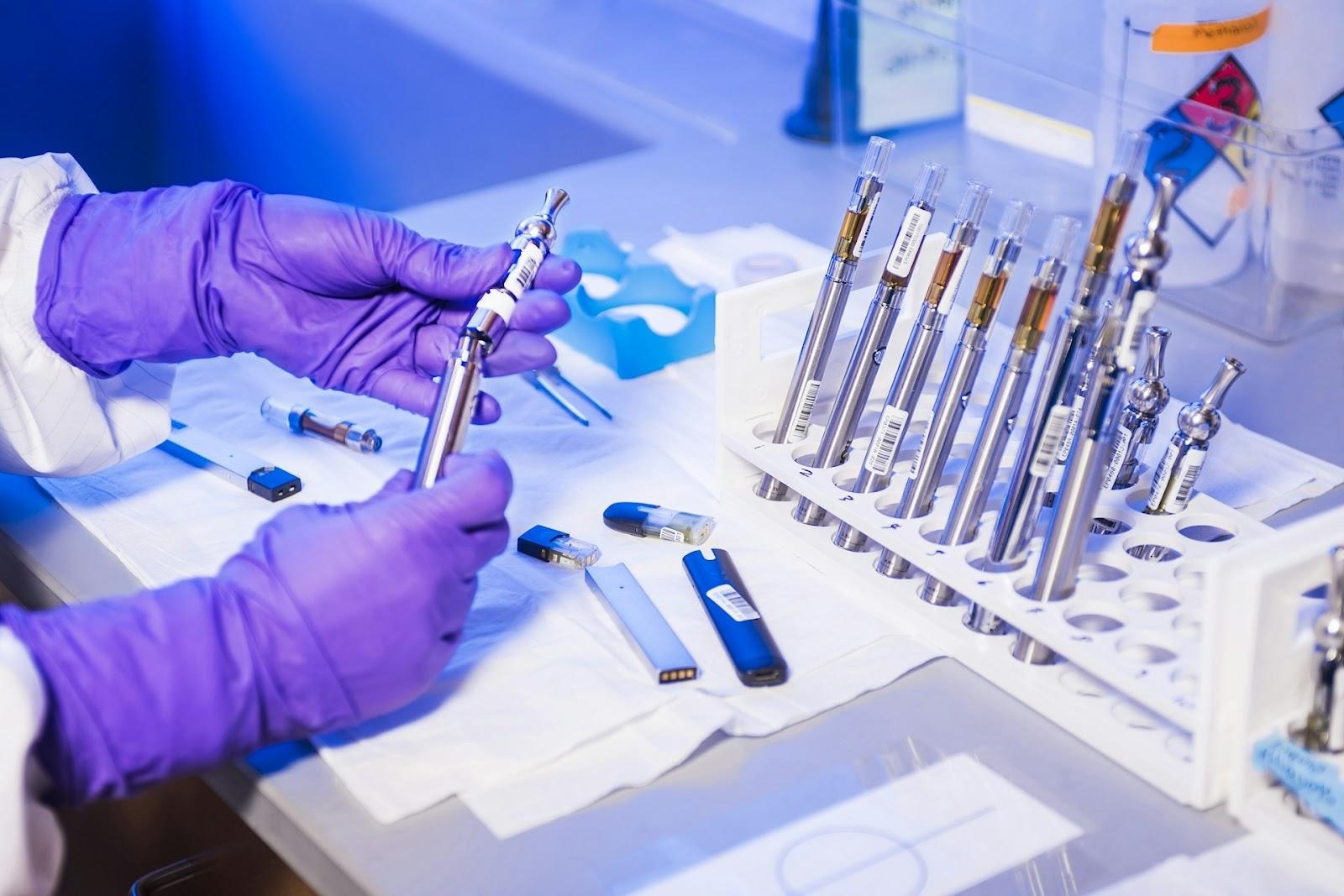
You're responsible for disposing single-use vapes and similar products once they become waste. Under UK WEEE regulations, you must make sure vape waste is stored, collected, and treated correctly.
This applies whether you sell, distribute, or manufacture vape products. You have a duty to prevent harm, reduce fire risk, and use approved disposal methods.
You cannot rely on general waste management services to get rid of WEEE items like vapes. Instead, use licensed e-waste carriers and approved treatment facilities. Doing so ensures devices are handled by operators trained to manage batteries and electronic components.
Passing responsibility to customers doesn't remove your obligations. When vapes are returned in-store or collected on your premises, they become your waste. At that point, you control how they are stored, transferred, and disposed of.
This means business vape recycling remains your responsibility until the waste is collected by a licensed carrier and treated at an approved facility.
Follow these steps to manage disposable vape waste safely in line with UK regulations.
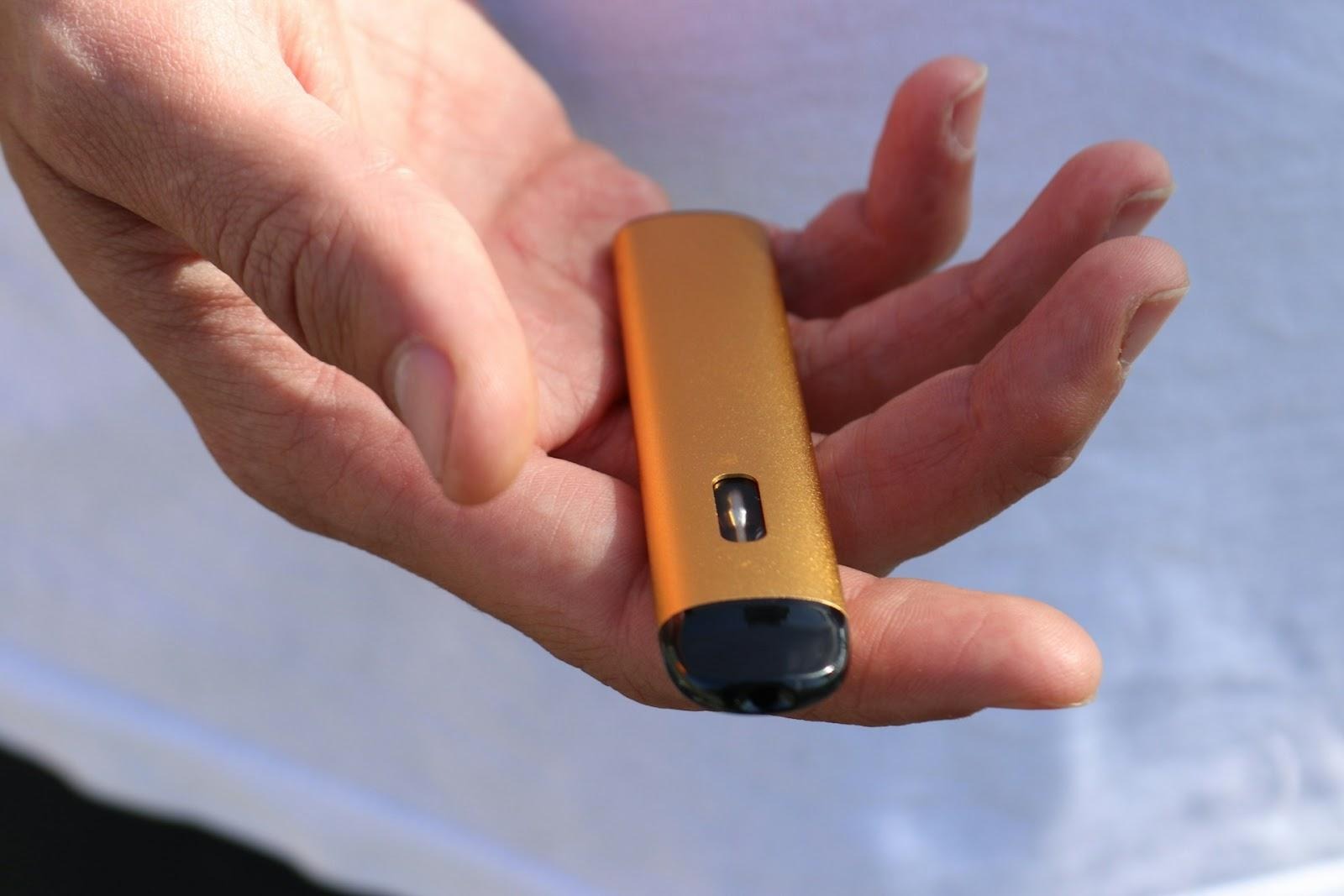
Once disposable vapes are collected, they're handled in a way that meets all legal requirements.
To be more specific, this is how vape recycling UK systems handle them after collection.
You can encounter WEEE issues if you don't handle them correctly. That's why you have to be careful, especially when managing vape waste disposal.
No. Disposable vapes are classed as WEEE and must be recycled through approved channels.
Yes. They are hazardous due to lithium batteries and electronics, even though they are small.
Yes. Retailers have a duty of care to store and dispose of vape waste correctly.
No. Handling or dismantling increases fire risk and should only be done by specialists.
Learn how GAP Group provides safe, compliant vape recycling and treatment for businesses across the UK.
Book a free review with our team. We'll look at how your organisation disposes of electricals today and show you exactly where your documentation falls short.