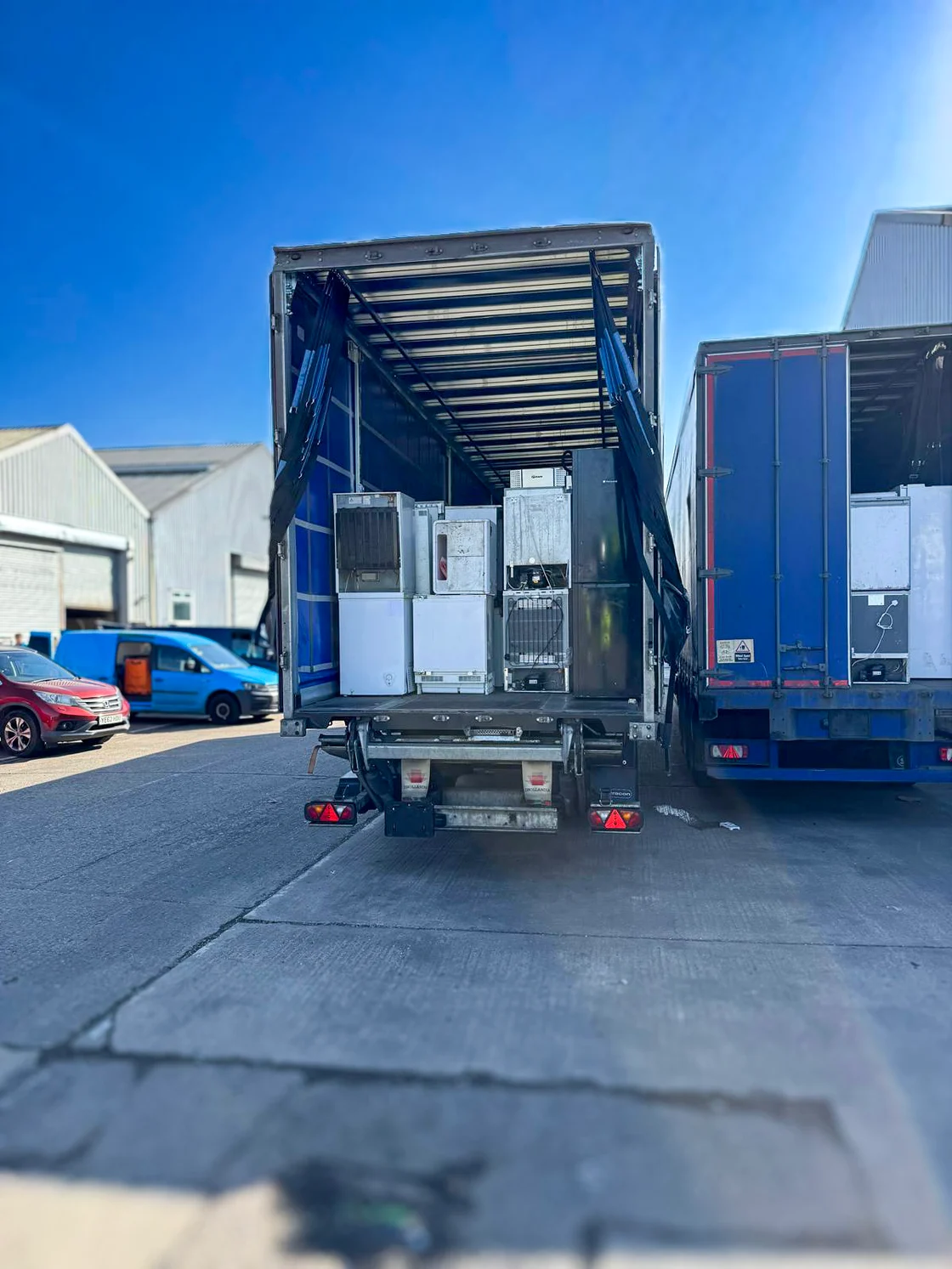
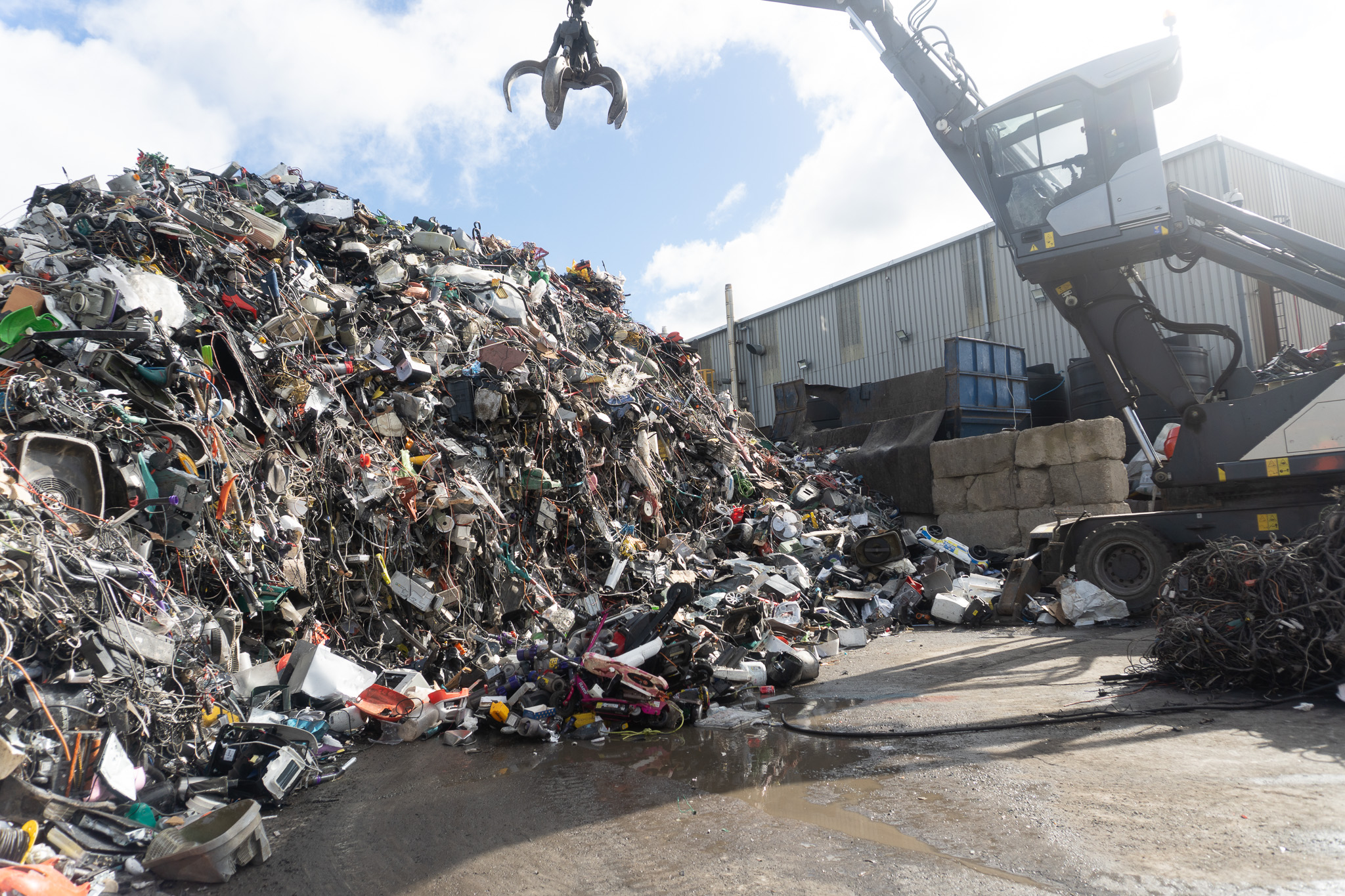
The Waste Separation Requirements (Wales) (Amendment) Regulations 2026 came into force on6 April, requiring all Welsh workplaces to present small waste electrical and electronic equipment (known as sWEEE) separately for collection and recycling.The change applies to all non-domestic premises in Wales, regardless of size or sector, and covers everyday items including computers, phones, printers,kettles, toasters and other small electrical appliances used on-site.
Over a month after the law changed, GAP Group, which provides Wales-wide sWEEE collection and recycling, says awareness among Welsh businesses remains low. The company reports that the majority of businesses it has contacted since 6 April were not aware the legislation was already in force.
That finding is consistent with Welsh Government research. A survey of 504 Welsh SMEs commissioned by the Welsh Government and completed by November 2025 found that only 32% of businesses were aware of the sWEEE requirement, even after being given a full explanation of the legislation. Two thirds had not heard of it at all.
Emma Howe, Headof Commercial at GAP Group, said:
“The Welsh Government's own research showed two thirds of businesses didn't know this law was coming. Over a month in, we are still seeing that. Businesses are not ignoring this, they genuinely do not know it applies to them. The law is in force now, and every day without a compliant arrangement is a day of exposure.But the good news is that for most businesses, getting sorted takes less than a week.”
A law that applies to nearly every Welsh business
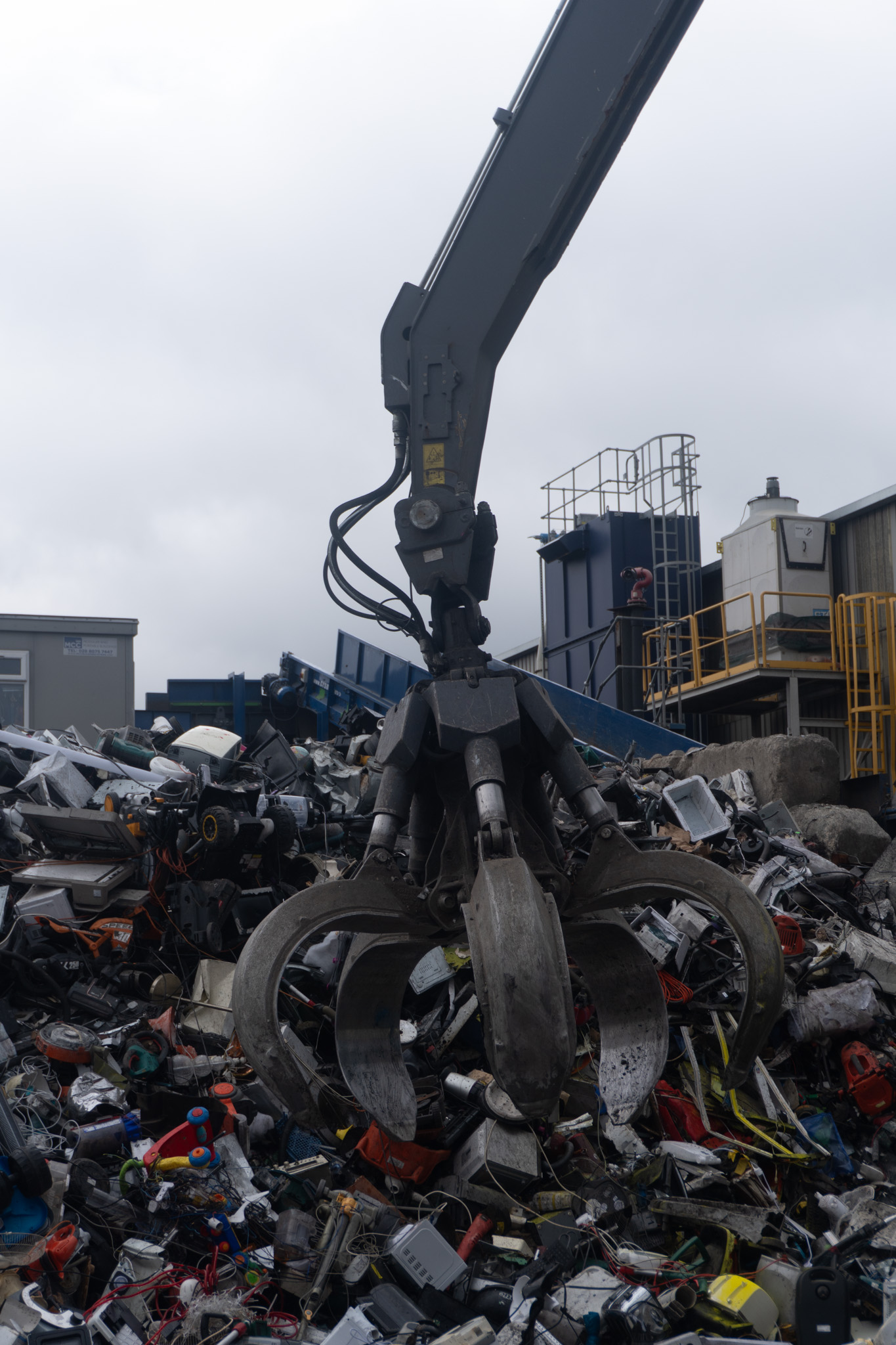
The sWEEE regulations apply to all non-domestic premises in Wales. Welsh Government figures show there are an estimated 248,000 enterprises active in Wales,employing an estimated 1.2 million people, the vast majority of which will generate some form of small electrical waste and are therefore subject to the new requirement.
The change extends existing Welsh workplace recycling obligations, which have required businesses to separate general recyclable materials since April 2024. From 6April 2026, all used sWEEE, not just unsold stock as was previously required,must be separated and presented for collection separately from general waste.
Howe added:
“If your business has computers, phones, a kettle in the kitchen or a printer in the office, you generate sWEEE and you are covered by the law. The businesses most at risk are the ones that have a general waste arrangement in place and assume everything is covered. It often isn't, and the paperwork to prove compliance is a separate requirement”
What compliance requires
Under the regulations, Welsh businesses must separate sWEEE from their general waste stream on-site and ensure it is collected separately through a compliant service. Businesses must also maintain duty of care documentation for all collections, including waste transfer notes and consignment records, which must be held on file and available if requested.
GAP Group says the documentation requirement is the most common gap it identifies when reviewing businesses' existing arrangements.
• Separate sWEEE from general waste on-site
• Use a compliant, authorised waste carrier for collection
• Ensure collections are processed by an AATF-authorised facility
• Hold waste transfer notes and consignment records for all collections
Free compliance audits available across Wales
GAP Group is offering free compliance audits to Welsh businesses, a review of existing waste arrangements against the new requirements, with a written summary of findings and any recommended next steps.
GAP Group is AATF authorised under the UK WEEE Regulations and provides Wales-wide sWEEE collection, with full duty of care documentation issued as standard with every collection. The company also works with waste brokers and compliance schemes operating across Wales.